Transforming Barcelona Facades: A Complete Renovation Guide
Discover expert tips for building facade renovation in Barcelona. Learn how to transform your property's exterior with our complete guide.
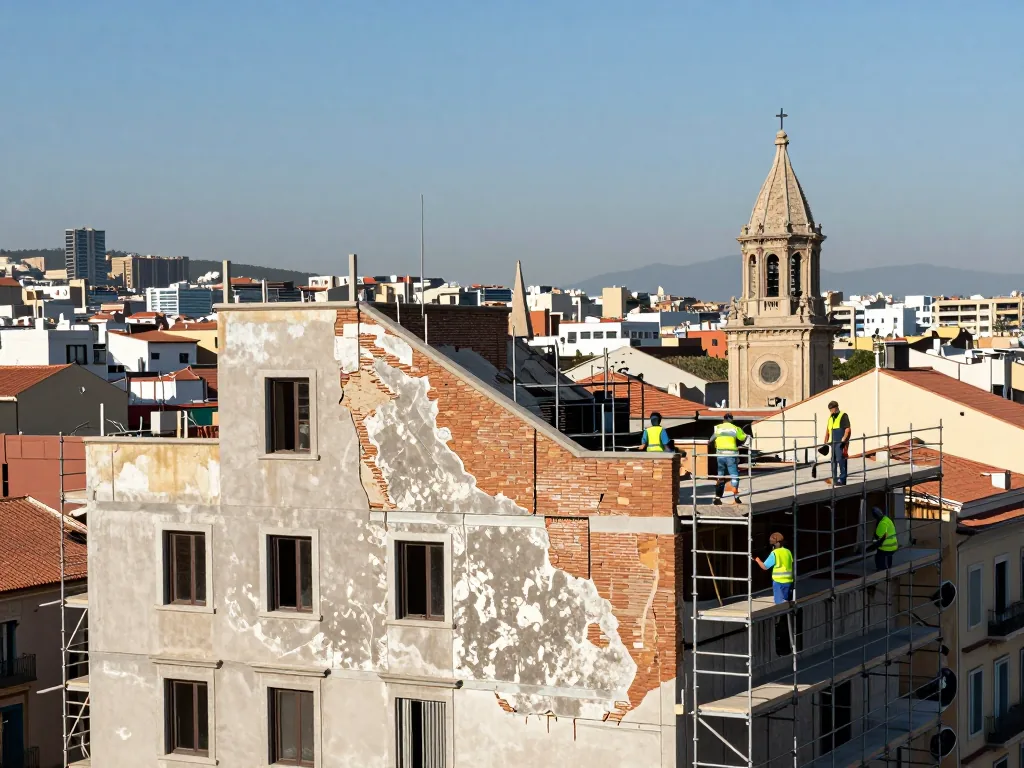
Barcelona’s iconic architecture shines as brightly as its culture, but even the most stunning facades require renewal. Property owners seeking to revive their building’s historic allure and investors aiming to boost value through modernization will find this guide essential. It covers everything from navigating local regulations to selecting materials and contractors, equipping you with the knowledge to renovate your building’s exterior with assurance and flair.
Understanding Barcelona’s Facade Renovation Regulations
Renovating a building facade in Barcelona demands a thorough understanding of the city’s regulatory framework to meet legal, historical, and environmental standards. The process blends local, regional, and European directives, balancing architectural preservation with sustainability.
Key Legal Frameworks
Three main legal frameworks govern facade renovations in Barcelona: the Plan General Metropolità (PGM), the Codi de l’Edificació de Catalunya (CEC), and the Directive on the Energy Performance of Buildings (EPBD). The PGM sets urban planning and architectural guidelines for the metropolitan area, ensuring renovations align with the city’s aesthetic and structural standards. The CEC defines technical requirements for construction and renovation, emphasizing safety, accessibility, and energy efficiency. Meanwhile, the EPBD establishes European-wide energy performance standards, mandating that facade renovations reduce a building’s energy consumption and carbon footprint. Together, these frameworks create a regulatory environment that balances preservation with modernization.
Permit Requirements
Obtaining permits from the Ajuntament de Barcelona is a critical step in any facade renovation project, with requirements varying based on the building’s historical status and location. Depending on whether the building is listed, part of a protected area, or a modern structure, different permit types and approvals may apply. Historically significant buildings often face stricter scrutiny from heritage authorities to preserve original architectural features. Renovations in non-protected areas have more flexibility but must still comply with urban planning and energy efficiency standards. Working with architects and legal experts familiar with Barcelona’s regulations can streamline the permit process, avoiding delays and ensuring full compliance with all applicable laws.
Assessing Your Building’s Facade
Before starting a facade renovation in Barcelona, a thorough assessment of your building’s exterior is essential for safety and compliance with local regulations. This involves evaluating structural integrity and considering historical and architectural factors that may influence the renovation approach.
Structural Integrity Checks
Begin by conducting a comprehensive structural integrity check. Hire a qualified architect or structural engineer to inspect load-bearing elements—such as walls, columns, and beams—to ensure they are in good condition. In Barcelona, where many buildings are decades old, common issues include cracks, erosion, or deterioration from weather, pollution, or salt damage due to coastal proximity. The inspection should also assess the foundation’s condition, as underlying problems could affect facade stability during renovation. The engineer will evaluate seismic resistance, another critical factor in a region prone to occasional tremors. Documenting these findings is vital, as they will guide the renovation plan and may be required by local authorities.
Historical and Architectural Considerations
Barcelona’s rich architectural heritage means many buildings, especially in areas like the Eixample or Gothic Quarter, are subject to strict preservation laws. If your building is a historical monument or in a protected area, the Patrimonio Histórico sets guidelines for renovations. These may restrict materials, colors, and design elements to preserve the building’s historical character. Traditional Catalan facades often feature specific tilework, wrought iron balconies, or decorative stonework that must be preserved or accurately replicated. Working with an architect specializing in historical buildings helps navigate these regulations while maintaining the original aesthetic and meeting modern standards. Even for non-historical buildings, ensuring architectural cohesion with neighboring structures is important, particularly in densely built areas like the city center.
Choosing the Right Materials for Your Facade
Selecting the right materials for your building facade renovation in Barcelona is a crucial decision that affects both aesthetics and functionality. The choice between traditional and modern options depends on factors like architectural style, budget, and long-term maintenance needs. Barcelona’s climate and building regulations also heavily influence material selection, especially regarding energy efficiency and compliance.
Traditional vs. Modern Options
Barcelona’s rich architectural heritage often inspires homeowners and developers to choose materials that harmonize with historic designs. Traditional options include:
- Stone: A timeless choice, stone facades offer durability and a classic look. Sandstone and limestone, commonly used in Barcelona’s older buildings, provide a rustic yet elegant appearance. However, stone requires skilled craftsmanship for installation and can be heavy, which may affect structural considerations.
- Ceramic tiles: A staple in Catalan architecture, ceramic tiles are versatile, weather-resistant, and available in various colors and patterns. They are particularly popular for their low maintenance and ability to mimic more expensive materials like marble or wood. Ceramic tiles also provide good thermal insulation, making them a practical choice for Barcelona’s Mediterranean climate.
- Composite panels: A modern alternative, composite panels combine materials like aluminum, wood, or fiber cement to create lightweight, durable facades. These panels are easier to install than traditional materials and offer design flexibility, including custom colors and textures. They are also more resistant to moisture and temperature fluctuations, making them ideal for Barcelona’s coastal environment.
Energy Efficiency and Compliance
Barcelona’s building codes prioritize sustainability and energy efficiency, especially for facade renovations. Choosing materials that improve thermal performance can reduce energy consumption and lower utility costs. Insulated panels, for example, provide excellent thermal insulation while maintaining a sleek, contemporary look. Reflective coatings on glass or metal facades can also reduce heat absorption, helping to keep indoor spaces cooler during hot summers.
Compliance with local regulations is essential, so consult with a professional to ensure your chosen materials meet Barcelona’s technical standards. Certain historic districts may have restrictions on material use to preserve architectural integrity. By balancing tradition with innovation, you can achieve a facade that enhances both the building’s appearance and its environmental performance.
The Step-by-Step Renovation Process
Renovating a building facade in Barcelona demands careful planning and execution to meet local regulations while preserving the city’s architectural heritage. The transformation begins long before any work starts, with a structured approach ensuring both aesthetic and structural success.
Pre-Renovation Planning
First, experts conduct a thorough assessment of the existing facade, checking for damage like cracks, erosion, or water infiltration. In Barcelona, where historical preservation is key, this may also involve consulting local authorities—especially if the building is in a protected area. Securing permits is crucial, as the city’s urban planning regulations, including the Plan General Metropolità, dictate acceptable facade changes, particularly in historic districts like the Gothic Quarter or Eixample.
Once approvals are in place, the next step is choosing materials that balance durability, aesthetics, and sustainability. Traditional elements, such as trencadís mosaic tiles or wrought iron balconies, often merge with modern designs to maintain the city’s character. Energy efficiency also plays a role, with many renovations incorporating thermal insulation and double-glazed windows to meet contemporary standards. For those unsure where to begin, get a no-obligation consultation to navigate the process smoothly.
Execution and Timeline
The renovation itself unfolds in distinct phases to minimize disruption. If demolition or removal of existing elements is needed, it’s carefully managed to avoid damaging nearby properties—a critical concern in Barcelona’s dense urban environment. Next, new structural components, like reinforced anchors or weatherproof coatings, are installed to ensure the facade withstands Mediterranean weather.
The timeline for a facade renovation in Barcelona varies based on the building’s size, condition, and design complexity. Smaller projects may wrap up in weeks, while large-scale historic renovations could take months. Coordination with neighboring residents and businesses is vital, especially in busy areas like Las Ramblas or Passeig de Gràcia, where pedestrian traffic is high.
Regular inspections by the city’s urban planning department ensure compliance with approved plans. By the end, the facade should not only look refreshed but also contribute to preserving Barcelona’s architectural legacy. The result? A seamless blend of old and new, enhancing both the building’s functionality and its place in the cityscape.
Coordinating with Neighbors and Authorities
Renovating a building facade in Barcelona requires careful coordination with neighbors and local authorities to ensure compliance and avoid conflicts. This means navigating shared wall regulations and engaging with the community to address concerns upfront.
Shared Wall and Boundary Regulations
Barcelona’s older, densely built areas often feature buildings with shared walls, governed by the Catalan Civil Code and local urban planning laws. Before starting any renovation, check these regulations to see if neighboring property owners must grant permission. Some shared walls may even require mutual agreements or structural assessments to prevent damage to adjacent properties.
Boundary regulations also matter, especially for scaffolding or temporary structures. These may need permits to avoid obstructing public walkways or violating local rules. The Barcelona City Council’s Urban Planning Department can clarify these points, and consulting a property law expert may help resolve complex disputes.
Community Engagement
Early discussions with neighbors can prevent conflicts and build cooperation. Share project timelines, noise expectations, and potential disruptions to manage their concerns. Transparency helps—providing design renderings and construction schedules lets neighbors voice issues before work begins.
In some cases, presenting plans to the local neighborhood association (associació de veïns) is wise. These groups influence urban aesthetics and can offer insights on preserving the neighborhood’s character. If the building lies in a historic area, heritage bodies may need to approve changes, with community input playing a key role.
By addressing regulations proactively and maintaining open communication with neighbors, property owners can streamline facade renovations in Barcelona, ensuring efficiency and harmony.
Post-Renovation Considerations
Once the facade renovation of your Barcelona property is complete, the work doesn’t end there. Proper post-renovation considerations are essential to ensure the longevity of your investment and compliance with local regulations.
Maintenance and Longevity
Regular maintenance is key to preserving the newly renovated facade. Barcelona’s Mediterranean climate, with its intense sunlight, occasional heavy rainfall, and salty sea air, can accelerate wear and tear on building materials. To keep your facade in optimal condition, schedule periodic inspections and cleaning. For example, soft washing techniques can remove dirt and grime without damaging delicate surfaces, while periodic resealing of joints and coatings may be necessary to prevent water infiltration. Additionally, consider hiring professionals experienced in Barcelona’s specific environmental challenges to conduct thorough maintenance checks. This proactive approach will help identify minor issues before they escalate into costly repairs, ensuring your facade remains visually appealing and structurally sound for years to come.
Ensuring Compliance with Inspections
Barcelona has strict building codes and regulations, particularly concerning historic preservation and urban aesthetics. After completing a facade renovation, it’s crucial to ensure your property meets all local requirements. This may involve scheduling a final inspection with the local urban planning department to verify that the work aligns with approved plans and permits. In some cases, particularly in protected areas like the Gothic Quarter or Eixample district, additional documentation or approvals may be required. Keeping all renovation records, including permits, contracts, and inspection reports, will streamline this process. Failing to comply with post-renovation inspections could result in fines or mandates to revert changes, so staying proactive in this area is essential. If you’re unsure about the specifics, consulting with a local architect or legal expert familiar with Barcelona’s building regulations can provide peace of mind and ensure a smooth transition to post-renovation life.
Conclusion
Renovating a facade in Barcelona can dramatically improve both appearance and performance. This guide covered essential factors, including local regulations, sustainable materials, and the importance of experienced professionals. For homeowners or business owners, a thoughtfully executed renovation can greatly increase property value and curb appeal. Next, consult a reliable architect or contractor in Barcelona to turn your vision into reality while meeting the city’s distinct architectural standards. Seize this chance to shape Barcelona’s skyline while designing a space that embodies your personal style.
Let's talk about your renovation
Tell us about your project and we'll send you a no-obligation quote.